How to Prepare User Documentation Before Launch (Strategic Guide)
Clear, user-centered documentation is the difference between confused first-time users and confident long-term adopters. Lejla breaks down how to plan, create, and ship launch-ready docs that reduce support load, speed up onboarding, and elevate the entire product experience.

The difference between a product that gains traction and one that frustrates users often comes down to a single factor: whether people can figure out how to use it. Even the most innovative features fall flat when users can't find answers, complete basic tasks, or understand what's possible.
This guide walks you through building launch-ready documentation that turns confused first-time users into confident advocates—from choosing what to document first to measuring impact after release.
What Is Launch-Ready User Documentation
Launch-ready user documentation is the complete set of customer-facing content that guides users to success from their first interaction with your product. It includes quick-start guides, in-app help, detailed manuals, FAQs, and troubleshooting resources—all designed to help users understand features, complete tasks, and realize value without waiting for support.
The distinction from internal technical documentation matters. Engineers need system architecture details and API specifications. Users want to solve problems, complete workflows, and achieve goals as quickly as possible. Launch-ready documentation meets users where they are, anticipates their questions, and removes friction from their first experience.
Why User Documentation Determines Launch Success
Even innovative products stumble during product launch planning without clear, accessible documentation. Users who can't figure out how to use your product within minutes will abandon it, contact support, or switch to a competitor.
Documentation directly influences three outcomes:
- Faster onboarding: Users who find answers themselves reach their first moment of value faster than those waiting for support responses
- Fewer support tickets: Well-documented workflows deflect basic questions and are a core part of building support systems for your first users, freeing teams to handle complex issues.
- Higher adoption: Clear documentation encourages exploration and feature discovery
The most successful product launches treat documentation as a core feature, not an afterthought. You're designing the experience of learning and mastering your product.
Essential Types of User Documents for Day-One Users
Not all documentation carries equal weight at launch. Focus your energy on content that helps users succeed in their first hours with your product, then expand from there.
1. Interactive In-App Help Documentation
In-app help surfaces guidance exactly where users need it, without forcing them to leave your product. Tooltips, guided tours, and contextual hints present information at the moment of relevance. Users learning a new feature see instructions right next to the interface element they're trying to understand.
The best in-app documentation adapts to user behavior. First-time users get comprehensive walkthroughs. Returning users see brief reminders or can dismiss help entirely.
2. Quick-Start User Guide Sample
A quick-start guide is the fastest path from "I just signed up" to "I got value from this product." It highlights the 3-5 most important workflows that deliver immediate results, deliberately leaving out advanced features that can wait.
Think of it as the essential first mile—the minimum viable knowledge a user needs to succeed on day one. Effective quick-start guides use numbered steps, screenshots for every action, and clear success criteria so users know when they've completed each workflow correctly.
3. Detailed User Manual Documentation
Comprehensive manuals serve as the authoritative reference for every feature, configuration option, and use case your product supports. While quick-start guides get users moving, manuals provide depth for power users, administrators, and anyone who needs to understand the full scope of what's possible.
Users typically turn to detailed documentation when they're trying to solve a specific problem, configure advanced settings, or explore capabilities beyond basic workflows.
4. FAQ and Troubleshooting Support Documentation
FAQs and troubleshooting guides anticipate the questions users will ask and the problems they'll encounter before they reach out to support. The best FAQs organize content around user goals rather than product features—"How do I export my data?" instead of "Understanding the export feature."
Troubleshooting documentation walks users through diagnostic steps for common issues. Include error messages users might see, what causes them, and how to resolve them.
5. Website User Guide Example for New Visitors
Public-facing documentation on your website helps prospects understand your product's capabilities before they sign up. This content bridges marketing and product, showing real workflows and use cases that help potential customers evaluate whether your solution fits their needs.
Website guides improve conversion by setting accurate expectations. When prospects can see exactly how your product works, they arrive as more informed, higher-intent users.
Step-By-Step Plan to Create Documentation Before Launch
Creating launch-ready documentation requires a structured approach that aligns with your product development timeline. Start early, involve the right stakeholders, and build time for iteration into your plan.
Step 1: Research Audience and Use Cases
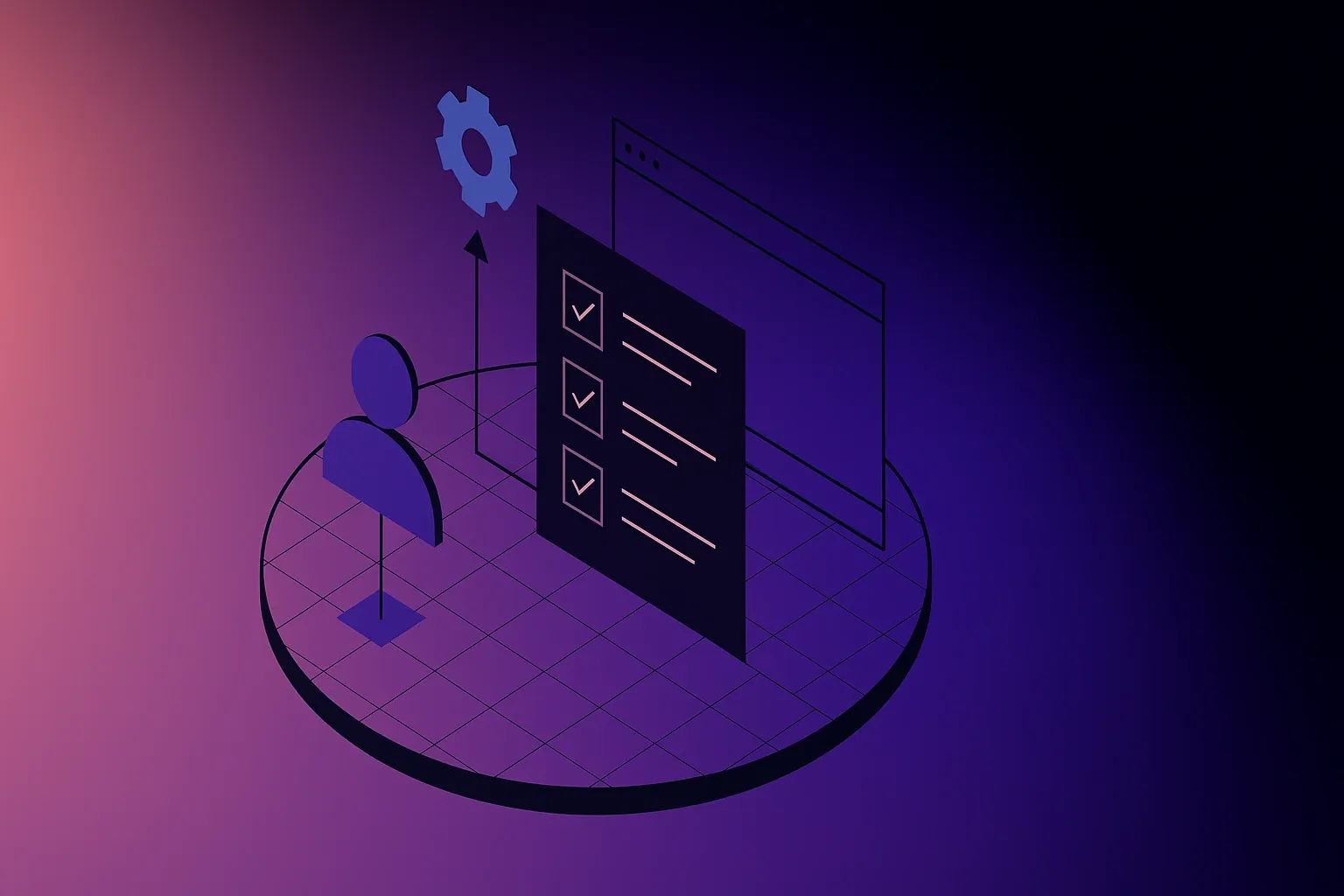
Begin by identifying your primary user personas, their technical expertise levels, and the workflows they'll perform most frequently. Interview beta users, analyze support conversations from similar products, and observe how people actually use your product—not just how you think they'll use it.
This research reveals the language users employ, the mental models they bring, and the gaps between their expectations and your product's reality.
Step 2: Define Scope and Success Metrics
Decide what to document first based on user needs, not feature completeness. Prioritize content that supports core workflows, addresses likely confusion points, and enables users to reach their first success quickly.
You can't document everything before launch. Focus on the 20% of content that will serve 80% of user needs. Set measurable goals: task completion rates, time to first value, support ticket deflection, and user satisfaction scores.
Step 3: Draft the Information Architecture and Style Guide
Design a logical structure that matches how users think about their work, not how your product is built internally. Group content by user goals and tasks, create clear navigation paths, and establish a hierarchy that helps users find information quickly.
Your style guide standardizes voice, terminology, formatting, and visual elements across all documentation. Consistent language and structure create predictable, trustworthy experiences.
Step 4: Produce Content and Visual Assets
Write clear, scannable content that emphasizes what users can accomplish rather than listing feature specifications. Use short paragraphs, descriptive headings, and bullet points to improve readability.
Visual assets—screenshots, annotated diagrams, short videos, and GIFs—accelerate comprehension by showing rather than telling. Capture visuals at the same resolution and zoom level, use consistent annotation styles, and update them whenever your UI changes.
Step 5: Review With Cross-Functional Stakeholders
Validate accuracy and completeness with product managers, engineers, support teams, and sales representatives. Each group brings a different perspective: engineers catch technical inaccuracies, support identifies common confusion points, and sales knows what prospects ask during demos.
This review process also aligns messaging across teams, reducing contradictions between what sales promises, what documentation explains, and what the product actually does.
Step 6: Publish Across Channels
Deploy your documentation to help centers, in-app surfaces, public websites, and anywhere else users might look for guidance. Optimize for discoverability by implementing robust search, clear navigation, and contextual links that surface relevant content based on where users are in your product.
Step 7: Collect Beta Feedback and Refine
Test your documentation with real users before launch to identify gaps, confusing explanations, and missing context. Watch users attempt tasks using only your documentation, noting where they get stuck or misinterpret instructions.
Even experienced technical writers miss assumptions or skip steps that seem obvious to them but confuse users. Iterate quickly based on what you learn.
Best Practices To Elevate the User Guide Experience
Beyond following a structured process, certain techniques consistently improve documentation quality and user success rates.
1. Use Plain Language and Consistent Terminology
Write for your audience's expertise level, avoiding jargon unless your users are technical specialists who expect it. When you introduce specialized terms, define them clearly on first use.
Consistency matters more than you might think. If you call something a "workspace" in one place and a "project" elsewhere, users waste mental energy wondering if these are different concepts or just inconsistent naming.
2. Embed Visual Walkthroughs and GIFs
Screenshots and videos reduce cognitive load by showing users exactly what they'll see and do. Annotate images with arrows, callouts, and numbered steps to direct attention to relevant interface elements.
Short GIFs work particularly well for multi-step interactions—showing a sequence of clicks, form fills, and results in a looping animation that users can watch repeatedly without pausing a video.
3. Make Content Searchable and Contextual
Implement robust search that understands synonyms, common misspellings, and natural language queries. Users rarely search using your exact terminology - they search using their own words and mental models.
Contextual help surfaces relevant documentation based on where users are in your product. If someone is on the settings page, show them settings-related help first.
4. Provide End User Documentation in Multiple Formats
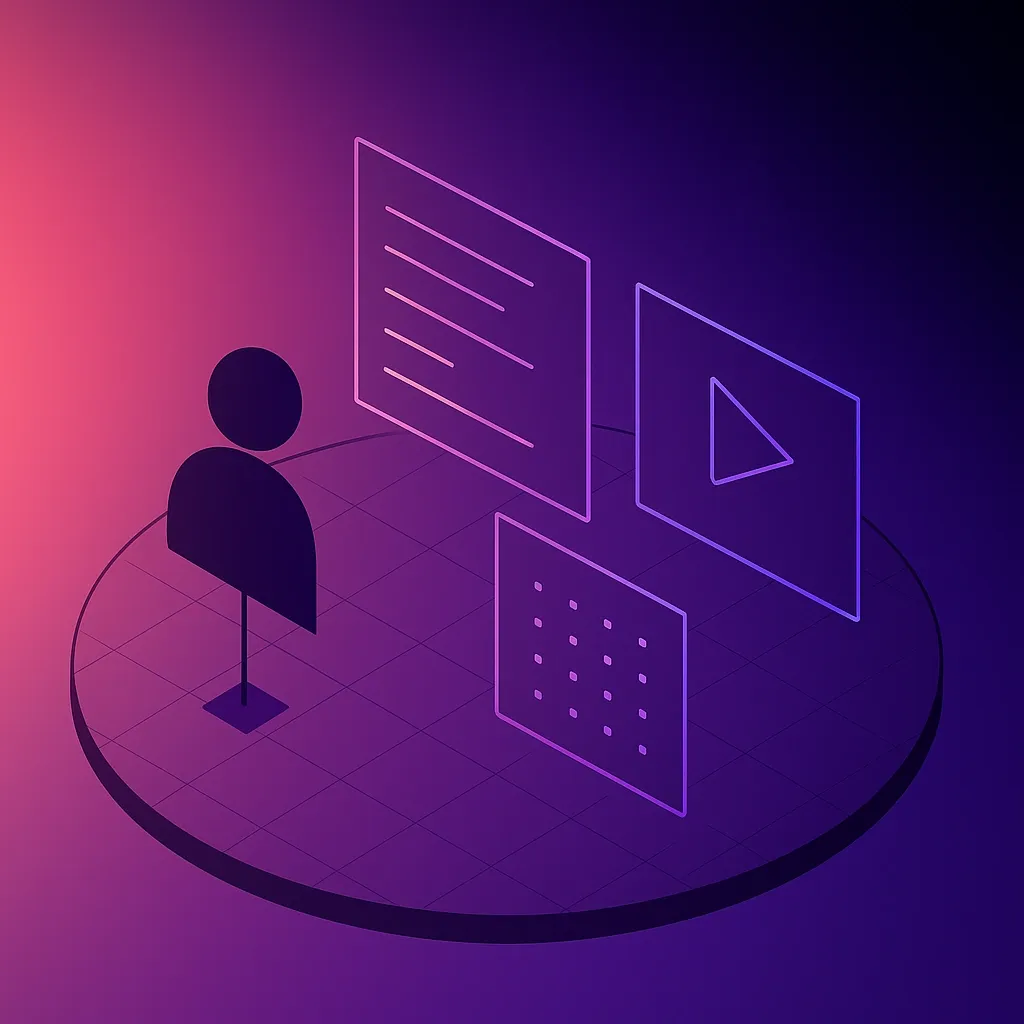
People learn differently. Some prefer reading step-by-step instructions, others want to watch videos, and many benefit from interactive tutorials that let them practice in a safe environment.
Offering multiple formats serves diverse learning preferences and use cases. A video might be perfect for understanding a complex workflow, while written instructions work better when someone just needs to look up a specific step.
5. Automate Version Control and Localization
As your product evolves, documentation stays current through processes and tools that track which documentation corresponds to which product version. Flag outdated content when features change.
For global products, plan for localization from the start. Use translation management systems that preserve formatting, track changes, and allow translators to work efficiently.
User Guide Examples From High-Growth Products
Studying how leading companies approach documentation reveals patterns worth replicating.
Stripe User Guides Examples
Stripe's developer documentation sets the standard for technical products. Every API endpoint includes clear code examples in multiple languages, progressive complexity that serves beginners and experts, and navigation that makes finding specific information effortless.
Their approach recognizes that developers want to copy, paste, and modify working code rather than reading lengthy explanations.
Canva Software User Guide Sample
Canva's documentation matches their design-centric product with visual-heavy guides that show rather than tell. Short videos demonstrate common workflows, templates provide starting points, and the help center organizes content around user goals like "creating social media graphics" rather than feature categories.
Trello Support Documentation Hub
Trello structures documentation around real workflows and use cases—"How to organize a project," "How to collaborate with your team"—mirroring how users actually think about their work. This task-oriented approach makes finding relevant information intuitive.
Measuring Documentation Impact After Launch
Documentation isn't a ‘set it and forget it’ deliverable and must evolve alongside software maintenance after launch. Track performance metrics to guide continuous improvement.
1. Track Usage Documentation Analytics
Monitor page views, time on page, search queries, and user navigation paths to identify your most valuable content and your biggest gaps. High traffic pages that also have high exit rates might indicate confusing content that needs revision.
Search queries reveal what users are looking for but can't find. If the same searches appear repeatedly with low click-through rates, you're missing content that users need.
2. Monitor Support Ticket Deflection
Measure how many support tickets you receive for topics that are documented versus undocumented. Calculate the percentage of users who find answers through self-service before contacting support.
This metric directly quantifies documentation ROI. Deflecting support tickets through better documentation frees significant team capacity for higher-value work.
3. Gather Customer Satisfaction Scores
Add simple feedback mechanisms to documentation pages—"Was this helpful?" with yes/no options and optional comment fields. Ratings highlight content that resonates and content that confuses.
Qualitative feedback often surfaces issues that analytics miss. Users might tell you they found the information but couldn't understand the explanation, or that the content was accurate but outdated.
Keeping Docs Updated as Your Product Scales
Documentation maintenance is where many teams falter. Build durable processes that keep content accurate as your product evolves.
1. Continuous Delivery Pipeline for User Documents
Integrate documentation updates into your release process so content ships in sync with product changes. When a feature changes, updating the corresponding documentation becomes a required step before deployment.
This prevents the drift that happens when documentation lags behind product reality. Users lose trust quickly when instructions don't match what they see on screen.
2. Governance Model for Content Owners
Assign clear ownership for documentation sections to specific individuals or teams. When everyone is responsible, no one is responsible.
Designated owners review content regularly, respond to feedback, and coordinate updates. Establish review and approval workflows that balance quality control with speed.
3. Road-Mapped Updates With Each Release
Plan documentation alongside feature development, allocating time and resources for creating and updating content. Documentation isn't overhead—it's part of shipping a complete feature.
Treat documentation debt like technical debt. If you skip it to ship faster, you're borrowing time you'll have to repay later, usually with interest in the form of support tickets and confused users.
Launch With Confidence and Keep Iterating
Great documentation evolves with your product and users. The first version you ship won't be perfect, and that's expected.
What matters is establishing processes that let you learn from user behavior, gather feedback, and improve continuously. Ministry of Programming helps teams build comprehensive product experiences where thoughtful, user-centered documentation is part of the foundation from day one.
Ready to build a product that users love from launch day?
FAQs About Preparing User Documentation
What tools integrate docs directly inside SaaS products?
Platforms like Intercom, Pendo, and Appcues specialize in contextual in-app help and guided tours. For comprehensive knowledge bases that can be embedded or linked, consider Notion, GitBook, or Confluence.
How early in the product roadmap should documentation start?
Begin planning documentation during the design phase when you're defining user workflows and interface elements. Start writing when core features are functionally complete but still in development, leaving time for reviews and refinement before launch.
How do I decide between PDF and web-based help docs?
Web-based documentation offers searchability, easy updates, analytics, and accessibility features that PDFs can't match. Choose web-based by default. Use PDFs only when users specifically need offline access, when compliance requires version-locked documents, or when you're distributing documentation with downloadable software.
What is the fastest way to localize user guides for new markets?
Start with machine translation services like DeepL or Google Translate to create draft translations quickly. Then have native speakers review and refine the content, prioritizing critical workflows and high-traffic pages.